佐々木(久我)奈穂子 Nahoko Kuga-Sasaki

研究室メンバー Member
博士課程3年 謝 紫嫣
博士課程2年 塩崎 裕美(学振DC1)
修士課程2年 白鳥 礼奈(卓越大学院プログラム)
修士課程1年 久代 実采(卓越大学院プログラム)
修士課程1年 佐藤 拓馬
技術支援員 西塚 友子
研究内容 Research
研究分野 神経生理学
主な研究テーマ 脳-末梢連関に基づく情動応答の理解
末梢臓器活動の脳内伝達・処理機構の理解
所属学会 日本神経科学会
研究概要
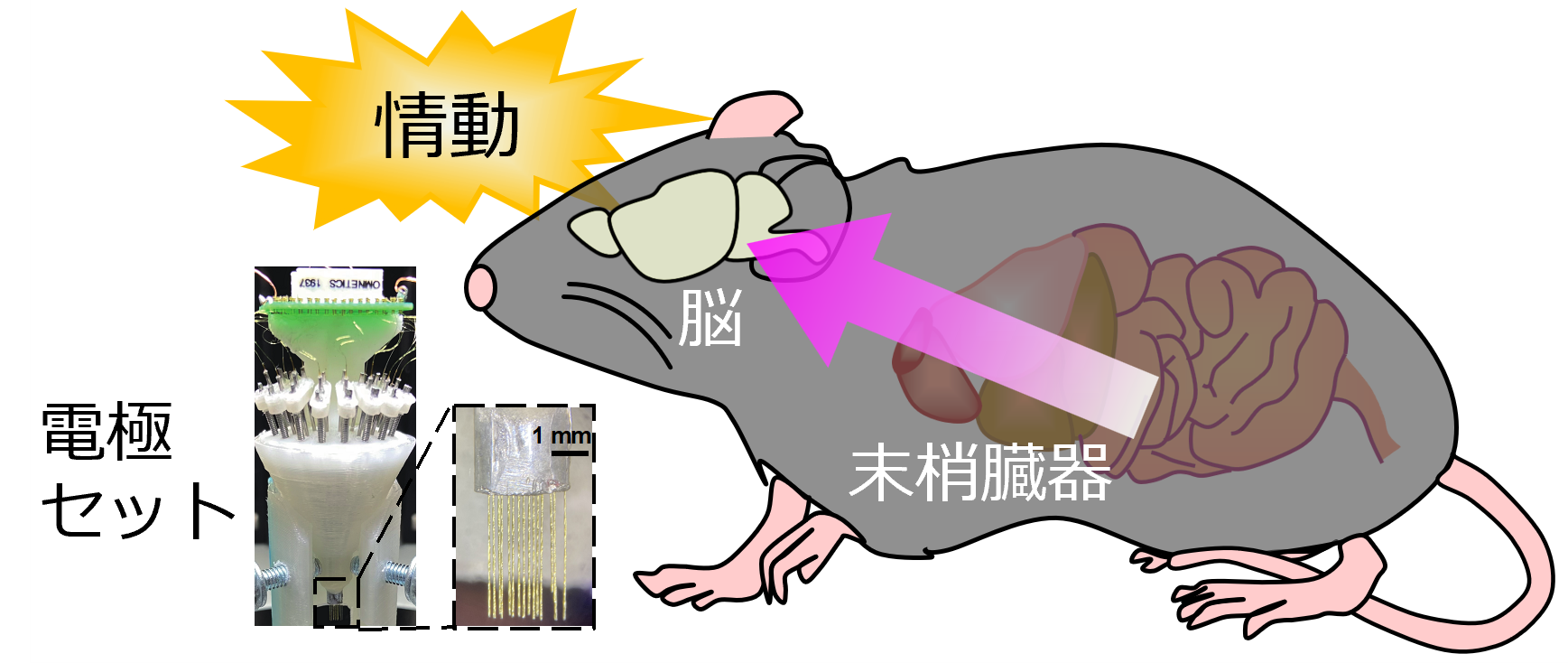
私たち動物は、外界の刺激に反応して快・不快やモチベーションなどの「情動」を生じます。情動は単なる感情的な反応ではなく、「怖い → 逃げる」といったように、その後の意思決定や行動選択につながる、生存や社会適応に不可欠なシステムです。こうした情動は脳によって決定されると考えられていますが、近年、心拍数や腸内環境の変化など、末梢臓器の内部状態も情動に影響を与えることが明らかになりつつあります。これらの知見は、情動を理解するうえで、脳だけでなく末梢臓器にも注目する必要があることを示唆しています。このような脳-末梢連関の視点は、19世紀の心理学研究において「情動の末梢起源説」としてすでに提唱されていました。しかし、この仮説はいまだ主流とは言えず、末梢臓器からの情報がどのように脳へ伝達・処理され、情動へと至るのか、その詳細なメカニズムは解明されていません。この課題に取り組むためには、脳・末梢臓器・情動を包括的に調べる必要があります。
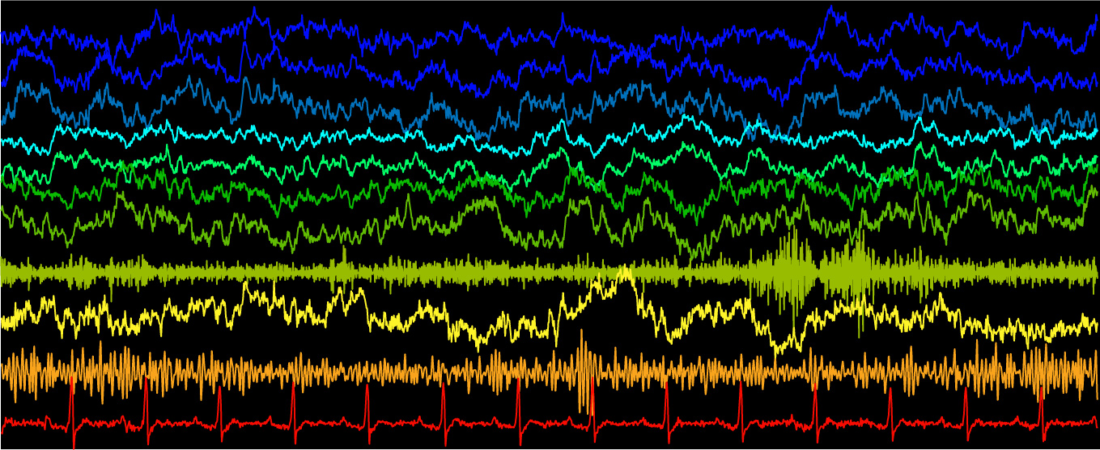
そこで私たちは、3Dプリンターや電子工作を活用して自作した電極を齧歯動物に設置し、自由行動下で脳と末梢臓器を含む全身の信号を網羅的に記録するなど、独自の生理学的計測システムを構築しています。情動応答と対応する脳神経活動や末梢臓器活動の大規模な生理データから、末梢臓器が情動に至るメカニズムの全体像を読み解くことを目指します。
Animals exhibit "emotions" such as pleasure, discomfort, and motivation in response to external stimuli. Emotions are not merely subjective reactions; they serve as essential systems for survival and social adaptation, influencing decision-making and behavior. While emotions have traditionally been considered to be determined by the brain, recent findings suggest that internal states of peripheral organs, such as changes in heart rate and gut microbiota, also influence emotional responses. These findings highlight the need to examine not only the brain but also peripheral organs in understanding emotions. However, the precise mechanisms by which information from peripheral organs is transmitted to and processed by the brain, ultimately leading to emotions, remain unclear. Addressing this question requires a comprehensive investigation of the brain, peripheral organs, and emotional responses.To tackle this challenge, we have developed a unique physiological recording system, utilizing custom-built electrodes designed with 3D printing and electronic engineering. These electrodes are implanted in rodents, allowing us to comprehensively record signals from the brain and peripheral organs during free behavior. By analyzing large-scale physiological data on neural and peripheral organ activity associated with emotional responses, we aim to uncover the mechanisms by which peripheral organs contribute to emotions.